Fabric Font: A Timeless Handwritten Typeface for Crafters and Creators
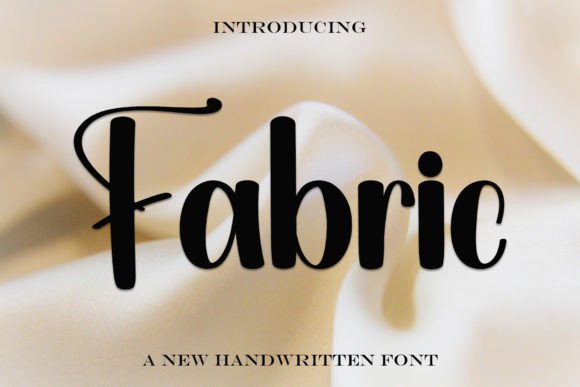
Let’s talk about a font that feels like a secret weapon. Fabric isn’t just another script font; it’s a neat and beautiful handwritten font described by an elegant touch. It has that incredibly distinct and timeless style you can feel when you use it. For makers, sellers, and printable product creators, a font is more than letters on a screen. It’s the personality of your brand, the first impression on your product, and the emotional hook for your customers. Fabric delivers that with grace.
The Handwritten Charm of Fabric
When you first look at Fabric, you notice its balance. It’s elegant without being overly formal, handwritten without looking chaotic. This is a script font with a clean, consistent baseline that makes it wonderfully readable, yet each letter carries a subtle, personal flair. That’s its charm. For our community, readability is commercial viability. A customer needs to instantly read your product label or your invitation. Fabric achieves that while wrapping your words in warmth. Its timeless style means it won’t feel trendy and dated next season; it will feel classic and reliable, a foundation for your creative work.
Bringing Fabric to Life in Your Projects
Imagine the projects on your desk right now. Fabric slides into them seamlessly, elevating them from homemade to professionally handmade.
- Product Labels & Packaging: For candle labels, soap wrappers, or boutique tags, Fabric gives your brand name and key descriptors an artisanal, trustworthy feel.
- Invitations & Stationery: Wedding welcome boards, birthday invitations, and holiday cards written with Fabric feel personally crafted, not just digitally printed.
- Home Decor & Wall Art: Printable quotes, farmhouse-style signs, and planner inserts gain a soft, human touch that mass-produced decor lacks.
- Merchandise & Apparel: When designing for mugs, tote bags, or shirts using your cutting machine, Fabric’s clean lines translate beautifully into SVG designs for clean cuts.
- Seasonal & Holiday Designs: Its elegant touch makes it perfect for subtle, beautiful holiday product packaging or festive greeting card headers without being overly whimsical.
In every case, the font affects perceived quality. A well-chosen typeface like Fabric signals care, consistency, and a cohesive brand identity that customers recognize and remember.
Practical Application: Where Fabric Works Best
A key question for any commercial font is: what kind of text is it for? Fabric, as a script font with excellent readability, shines as a display font. Use it for:
- Short phrases and names (like your shop name or product title)
- Decorative wording on signs and wall art
- Titles and headers on invitations, cards, and labels
- Key information on product packaging (e.g., “Handmade With Love”)
While its neat construction allows for slightly longer lines, it’s ideally used for impactful, emotional messaging rather than dense paragraphs. For a wedding invitation, use Fabric for the couple’s names and “Welcome” headings, then pair it with a simpler serif font for the details.
Readability for Production
When you’re moving from screen to physical product, readability gets practical. For small stickers or detailed cutting machine projects, test Fabric at your intended size in a mockup. Its elegant touch includes sufficient letter spacing and clear character shapes, which helps prevent tiny details from blurring or cutting poorly. Always preview prints and cuts at actual size—this font’s distinct style holds up well.
Pairing Fabric with Other Fonts
Great design often mixes fonts. The expressive personality of Fabric calls for a supportive partner. A classic pairing strategy is to combine a handwritten script font with a clean, neutral sans serif font. For a more traditional feel, pair it with a simple serif font. This creates hierarchy: Fabric attracts attention and emotion for headlines, while the paired font delivers clear, readable body text for instructions, details, or descriptions on your printables and labels. This pairing builds brand consistency across your entire product line.
Technical Details for Creators
Before committing to a font, dig into its assets. While specifics depend on the exact Fabric font package, for a premium handwritten font like this, look for features that expand your creative options:
- Alternates & Ligatures: These allow you to swap certain letters for variations, creating even more personalized, natural-looking text for names and logos.
- File Formats: Ensure it includes formats suitable for your software—OTF/TTF for design programs, and possibly web font formats if you design digital downloads or web graphics.
- Multilingual Support: If you sell internationally or use non-English words, check character set coverage.
These features turn a beautiful typeface into a versatile design asset.
A Note on Commercial Licensing
This is crucial for our community. When you use a font like Fabric to sell physical products (like mugs or signs), templates, printables, digital downloads (like SVG files), or merchandise, you must ensure your license permits commercial use. Most premium fonts from reputable marketplaces include a commercial license for these applications, but always verify. This license is your permission to build your business with this creative font. Using it for client work, like designing wedding invitations for a customer, also typically falls under a standard commercial license. Clarifying this upfront protects your hard work and allows you to create with confidence.
In your hands, Fabric becomes more than a font. It becomes the elegant touch on your candle label that makes someone pause. It’s the timeless style on your wedding stationery that guests remember. It’s the neat and beautiful handwriting on your shop sign that builds customer trust. It’s a tool that blends artistry with commerce, helping you create special products that feel genuinely, beautifully made.