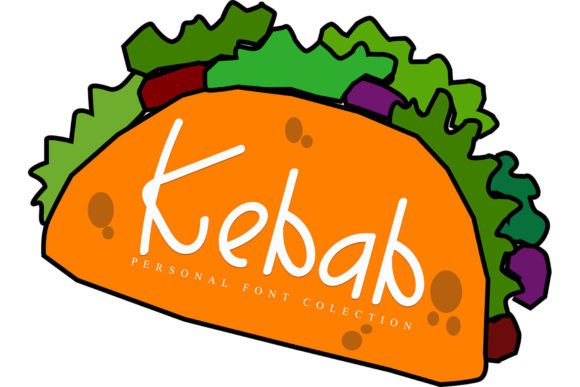
Kebab Font: The Handwritten Touch for Your Crafted Products
The steam curls from my fresh-poured candle wax, and on the desk, my monitor glows. I’m staring at the label design. The scent name—"Bergamot & Lavender"—sits in a standard, neat font. It’s accurate, but it’s not feelable. It doesn’t whisper handmade. I click into my font menu, scroll past the usuals, and select Kebab. Instantly, the text transforms. The letters flow with a relaxed, elegant connection. That’s the moment. That’s when the product feels like mine.
The Personality of a Pen Stroke
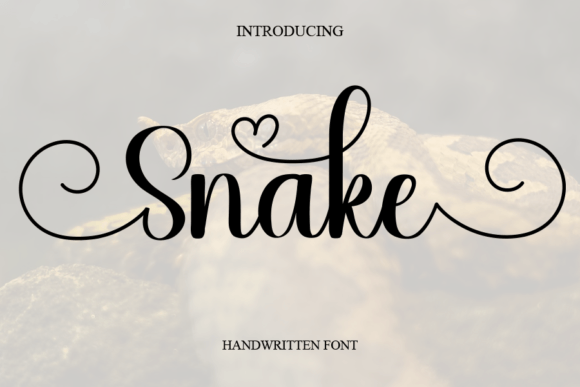
Kebab isn’t just another script font. It has a specific charm: unique and elegant, yet approachable. The strokes aren’t overly dramatic or rigidly formal. They carry a natural rhythm, like thoughtful handwriting with a pen that glides smoothly. This personality is its greatest asset. For a maker, it injects warmth into digital designs, bridging the gap between the screen and the tactile product. The mood is sophisticated but not cold; creative but not chaotic. It lends an immediate perceived quality, a whisper of care and attention that customers instinctively recognize.
Bringing Designs to Life: Real Uses for Real Products
My journey with Kebab started on wedding invitation mockups for a client. The bride wanted something "personal but polished." Kebab for the names and key phrases, paired with a clean sans serif for the details, created that perfect balance. From there, its use exploded across my shop materials.
- Labels & Packaging: Candle labels, honey jar stickers, soap wrappers. Kebab for the product name or a short, sweet descriptor makes the item feel boutique.
- Greeting Cards & Invitations: From birthday cards to baby announcements. It’s ideal for the main message—"Celebrate!" or "Welcome, Little One"—giving each card a handwritten touch without the inconsistency of actual penmanship.
- Wall Art & Printables: For digital quotes or seasonal art, Kebab adds a decorative, artistic flair. "Gather Together" in Kebab on a fall-themed printable feels instantly cozy.
- Signs & Boards: Wooden welcome signs for weddings, farmhouse-style kitchen quotes. The font’s elegance scales beautifully for larger displays.
- Shop Branding: My logo, my social media graphics, the banner on my Etsy shop. Using Kebab consistently across these points builds a recognizable, warm brand identity.
- Seasonal Craft Designs: Holiday gift tags with "Merry & Bright," spring planner covers with "Fresh Start." The font adapts to the theme while keeping its core charm.
Readability and Practical Application
A beautiful font must also be functional. For cutting machines like Cricut or Silhouette, converting Kebab to an SVG for sticker sheets or vinyl decals works wonderfully. The connected script cuts cleanly. For small stickers or product labels, I stick to short phrases or single words—like "Vanilla Bean" or "Thank You"—to ensure clarity at a small scale. On printed cards or mockup previews for digital downloads, it’s perfectly legible. For physical merchandise like mugs or tote bags, I often use it as a focal point, not for lengthy paragraphs. It’s a display font, meant to shine on titles, names, and decorative wording.
The Art of Pairing
Kebab is a star, but it needs a supporting cast. I almost always pair it with a simple, clean font. A minimalist sans serif for body text on invitations or packaging details. A straightforward serif for longer descriptions on my website. This pairing creates hierarchy: Kebab draws the eye and sets the emotional tone, while the secondary font provides clear, easy reading. This contrast is key for professional-looking design.
A Checklist for Commercial Crafters
Before using any font like Kebab on physical products or digital downloads you sell, a practical checklist is essential. This isn’t about legal jargon; it’s about protecting your creative business and ensuring quality.
- Licensing: Confirm your license covers commercial use for selling physical products (labels, cards, mugs) and digital items (printables, templates).
- File Formats: Ensure you have the formats you need—often OTF or TTF for design software, and possibly SVG compatibility for cutting machines.
- Styles & Features: Explore the font files. Does Kebab include alternates or ligatures? These can add lovely variations for letters, making designs even more unique. Swashes might be available for truly decorative ends.
- Multilingual Support: If you sell internationally, check character support for accents or specific languages.
- Testing: Always print a test label, cut a test sticker, or view a mockup at the actual size. See how Kebab performs on the final medium.
Finding Kebab was like discovering a perfect tool in my workshop. It’s the typeface that translates my intention—the care, the personal touch, the handmade essence—into a visual language. When I see "Bergamot & Lavender" now, in its flowing Kebab script on the finished candle label, it doesn’t just describe a scent. It tells a story. And that story begins with a single, elegant pen stroke.