Santa History: A Handwritten Font with Endless Craft Potential
When you spend hours pouring love into a handmade product, its presentation matters. The label, the tag, the card that accompanies it–it's the final, personal touch. Finding a font that feels like an extension of that care, that whispers "handmade" without shouting it, can be a challenge. That's where Santa History enters my design toolbox. This sweet and friendly handwritten font has become a go-to for projects where warmth and personality are the top priority.
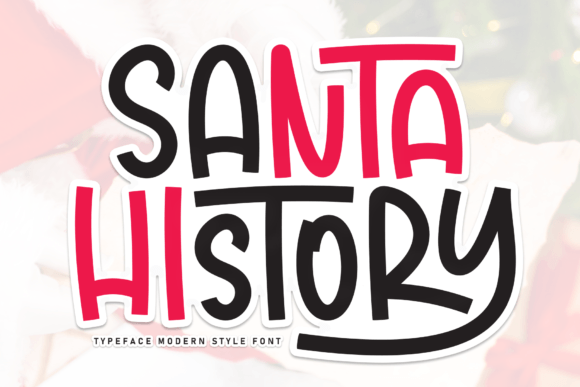
Santa History has a natural, unique style that feels authentically penned, not digitally perfect. Its characters flow with a gentle rhythm, offering a touch of whimsy without becoming overly childish or theatrical. This balance gives it a remarkable versatility. It carries charm enough for a wedding welcome sign but retains the readability needed for a product label. For crafters and sellers, this is the golden zone: a font that is both attractive and commercially useful.
Bringing Santa History to Life in Your Projects
The application pool for this font is vast, mirroring the diverse world of handmade goods and digital creations. Its handwritten nature makes it instantly relatable, inviting customers into your brand's story.
For physical products, Santa History shines on labels and packaging. Imagine it on a jar of homemade preserves, a bespoke candle, or a boutique soap tag. The font adds a layer of perceived quality and care, suggesting a personal touch behind the product. It’s equally stunning on wearable and home goods like t-shirts, tote bags, and mugs, especially when used for short, impactful phrases or names.
In the realm of paper and stationery, it's a beautiful choice for greeting cards, invitations, and wedding stationery. Its friendly demeanor suits birthday invites, baby announcements, and rustic wedding details like table numbers or seating charts. For wall art and decor, Santa History can transform a simple quote into printable artwork or a vinyl-cut sign with a farmhouse or modern cottage feel.
Digital creators can leverage its charm for planner stickers, downloadable templates, and social media graphics meant to promote their craft. The font helps establish a consistent, approachable visual identity across digital and physical touchpoints.
Practical Readability for Production
A beautiful font must also be functional. Santa History's clear letterforms and generous spacing make it highly readable, even at smaller sizes. This is crucial for practical applications.
When designing small stickers or product labels, test prints or mockups are essential. Preview your design at the actual size to ensure the font’s details remain crisp. For Cricut or Silhouette projects, like intricate vinyl decals, the font's clean strokes usually cut well. Always do a test cut on scrap material, especially with very fine details, to confirm the machine can follow the paths accurately.
For printed cards or signs, Santa History works beautifully as a display font for headlines, names, or short messages. It's best suited for these decorative roles rather than long paragraphs, allowing its personality to shine without sacrificing legibility.
Building a Cohesive Look with Font Pairing
No font lives alone in a design. Pairing Santa History with a supporting typeface creates hierarchy and professionalism. As a distinct script font, it naturally pairs with clean, simple fonts that provide a neutral backdrop.
- A clean sans serif is a perfect partner for body text. Use it for details like addresses, ingredient lists on labels, or terms and conditions on a digital download. This keeps all information accessible while letting Santa History be the star.
- A simple serif font can add a touch of classic elegance, ideal for wedding suites or premium product packaging where you want a more refined contrast.
The key is to let Santa History handle the emotional, decorative work—the product name, the main greeting, the featured quote—and use its paired font for all supporting, informative text. This balance elevates your entire design.
Technical Considerations for Creators
Before diving in, check the font's included features. Many premium handwritten fonts like Santa History come with alternates and ligatures that allow you to swap certain letters for variations, creating a more natural, less repetitive look. This is invaluable for custom names or logos.
Verify the file formats suit your software. Standard formats like OTF and TTF work in most design programs. For those creating SVG designs or working directly in vector software, ensuring the font installs correctly for path creation is key.
Most critically, understand the commercial font license. For selling physical products, printables, digital downloads, merchandise, or using the font in client work, a commercial license is typically required and expected. It’s the ethical and legal foundation for your business. Always confirm the license covers your specific use cases—most font licenses for creators do, but reading the terms protects your venture and respects the designer's work.
The Emotional Appeal in Every Letter
Ultimately, a font like Santa History is more than a tool; it's a communicator. It conveys approachability, authenticity, and creativity. On a product, it can trigger an emotional connection, making a customer feel they're purchasing from a person, not a factory. In a digital template, it sets a tone of warmth and encouragement.
Its natural style supports brand consistency. Once customers associate that friendly handwritten look with your shop, it becomes a part of your identity, fostering recognition and trust. Whether you're crafting a seasonal holiday tag, a year-round wedding invitation template, or a simple thank-you card to include with orders, Santa History provides a versatile, charming voice for your work. It reminds us that in a world of mass production, the details—even the choice of a single typeface—can speak volumes about the care behind the creation.